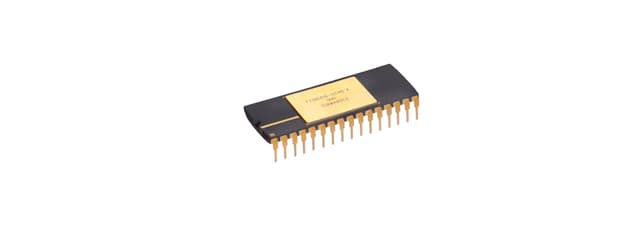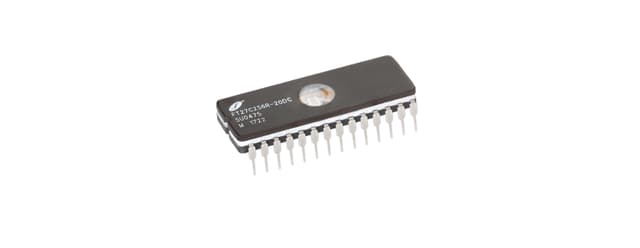
SRAM Solutions
Looking for replacement for obsolete SRAM components, such as IS62LV256AL or MT5C6408?
Force Technologies supplies a range of configurable SRAM components to replace obsolete originals in aerospace, defence, rail, industrial, and commercial applications. SRAM provides the low-latency, high-speed data access critical for performance-sensitive systems. Our components are engineered to match original specifications and integrate directly into existing designs.
Features of SRAM
High-Speed Access
Low-latency data access for real-time performance-critical applications
No Refresh Required
Unlike DRAM, SRAM retains data without periodic refresh cycles, reducing complexity
Reliable and Predictable
Stable, predictable behaviour essential for aerospace, defence and industrial systems
Instant Read/Write
Immediate data access with no wait states, critical for real-time processing
Need a custom solution?
If you have specific legacy SRAM requirements, send us your enquiry. We can provide tailored solutions based on your unique system needs.
Frequently asked questions
What is SRAM?
Static Random-Access Memory (SRAM) is a type of volatile memory that retains data only while powered. Unlike Dynamic RAM (DRAM), SRAM does not require regular refreshing, which makes it faster and more reliable. Therefore, SRAM is often used for cache memory, high-speed buffers, applications where real-time performance is required.
Why is SRAM important?
SRAM provides low-latency, high-speed access to data, which is critical for performance-sensitive applications. Its stable and predictable behaviour makes it very common in aerospace, defence, and industrial systems, where reliability is crucial.
What are SRAM chips used for?
SRAM chips are employed across a wide range of applications. They act as cache memory in processors and controllers, ensuring quick access to frequently used data. In networking and communication systems, SRAM provides high-speed buffering, while in industrial control systems it offers reliable temporary data storage. Aerospace and defence electronics also rely on SRAM for managing real-time data, where speed and reliability are critical.